
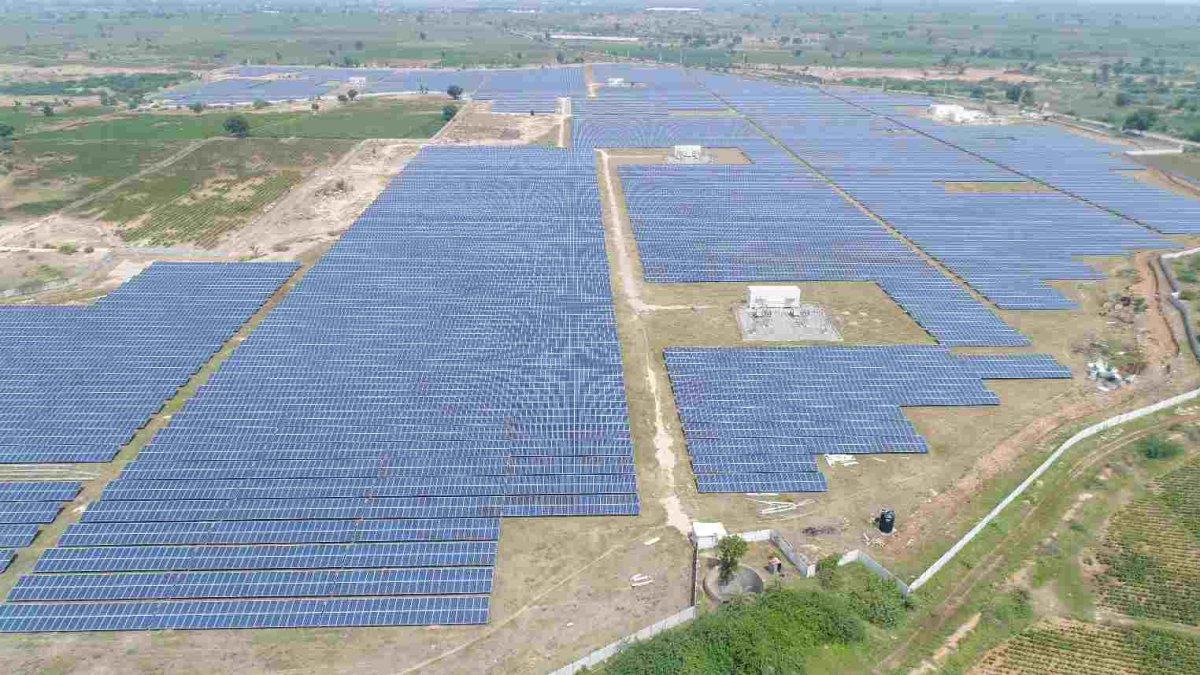
India continues to make significant progress in clean energy, marking another positive milestone in its journey toward sustainability and economic growth. With a strong push from the government and active participation from private sectors, the country is rapidly expanding its renewable energy capacity, positioning itself as a global leader in green energy transition.
Over the past year, India has witnessed a remarkable increase in solar and wind power installations. Initiatives led by the Ministry of New and Renewable Energy have played a crucial role in driving investments and encouraging innovation. Large-scale solar parks in states like Rajasthan and Gujarat are now contributing substantially to the national grid, reducing dependence on fossil fuels.
One of the key highlights is India’s commitment to achieving 500 GW of non-fossil fuel capacity by 2030. This ambitious target aligns with global climate goals and reflects the country’s determination to balance development with environmental responsibility. The expansion of rooftop solar programs has also empowered households and small businesses, making clean energy more accessible and affordable.
In addition, the rise of green jobs has created new opportunities for skilled and semi-skilled workers. From solar panel manufacturing to installation and maintenance, the renewable sector is becoming a major employment generator. Experts believe this growth will not only boost the economy but also improve energy security across urban and rural regions.
India’s efforts have gained international recognition, with organizations such as the International Energy Agency highlighting the country as one of the fastest-growing renewable energy markets. Collaborative projects with global partners are further accelerating technological advancements and investment inflows.
The transition toward clean energy is also improving air quality and reducing carbon emissions, especially in densely populated cities. As more electric vehicles and renewable-powered infrastructure come into use, the long-term benefits for public health and the environment are expected to be substantial.
With consistent policy support, technological innovation, and public participation, India is setting a strong example for sustainable development. This progress not only reinforces the nation’s commitment to a greener future but also strengthens its position on the global stage as a responsible and forward-thinking economy.
Comments (0)
No comments yet. Be the first to comment!
Leave a Comment