

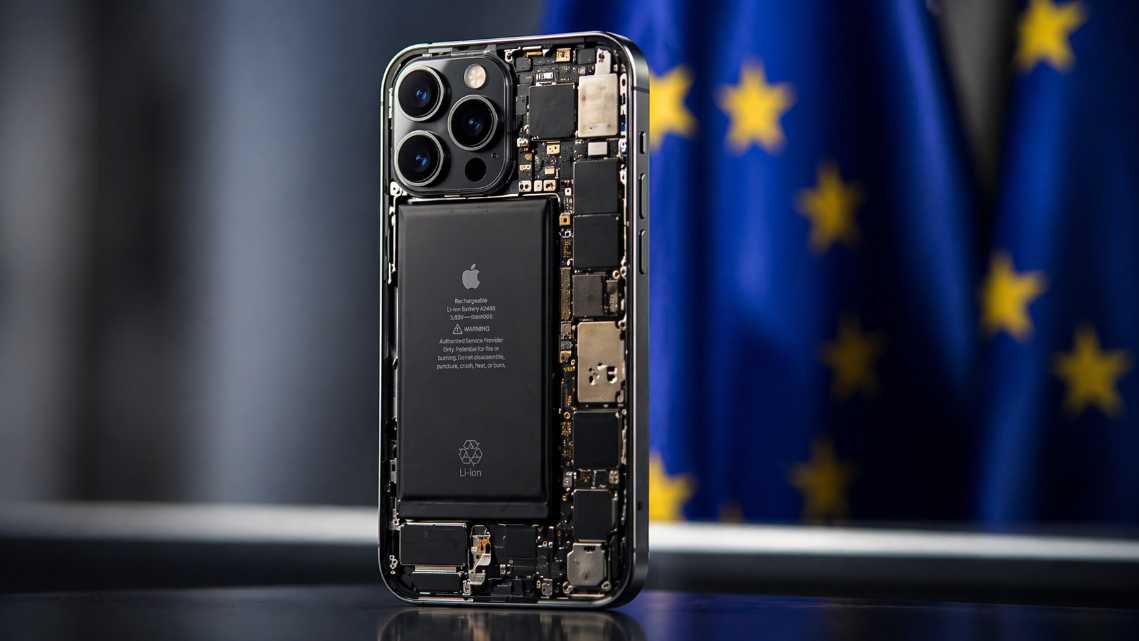
A major regulatory shift in Europe is set to influence how smartphones are designed in the coming years—and Apple’s iPhone could be among the most affected. The European Union has introduced a new battery regulation that will require portable electronic devices, including smartphones, to feature batteries that are easier to replace. The rule, aimed at reducing electronic waste and improving product longevity, is expected to come fully into force by 2027.

While the law applies to all manufacturers, it has sparked particular interest around Apple due to the company’s long-standing preference for sealed, tightly integrated designs. Current iPhones are not built for easy battery removal by users, often requiring specialized tools or professional service. Under the new regulation, companies like Apple will need to rethink this approach.

However, the change does not necessarily mean a return to older phones with removable back covers. The EU’s focus is on accessibility rather than design style. Batteries must be replaceable without causing damage to the device and without requiring highly technical expertise. This gives manufacturers flexibility in how they meet the requirement, potentially leading to innovative new designs rather than a step backward.
The regulation is part of a broader sustainability initiative by the European Union. By making batteries easier to replace, devices can last longer, reducing the frequency with which consumers need to buy new phones. This not only lowers costs for users but also helps cut down on the growing problem of electronic waste.
For Apple, the shift could present both challenges and opportunities. On one hand, redesigning the iPhone to comply with the rule may require changes to internal architecture, waterproofing, and overall build strategy. On the other hand, it opens the door for Apple to showcase new engineering solutions that balance durability, aesthetics, and repairability.
Industry analysts also believe that changes driven by the European market could extend globally. Apple typically maintains consistent product designs across regions, meaning any adjustments made to comply with EU regulations may influence iPhones sold worldwide.
The timeline gives manufacturers a few years to adapt, but the direction is clear. The future of smartphones is moving toward greater sustainability and user control. While the iPhone may not look drastically different overnight, the way it is built—and maintained—could soon undergo a significant transformation.
In essence, the EU law is not about bringing back the past, but about building a more responsible future for consumer technology.



Comments (0)
No comments yet. Be the first to comment!
Leave a Comment