

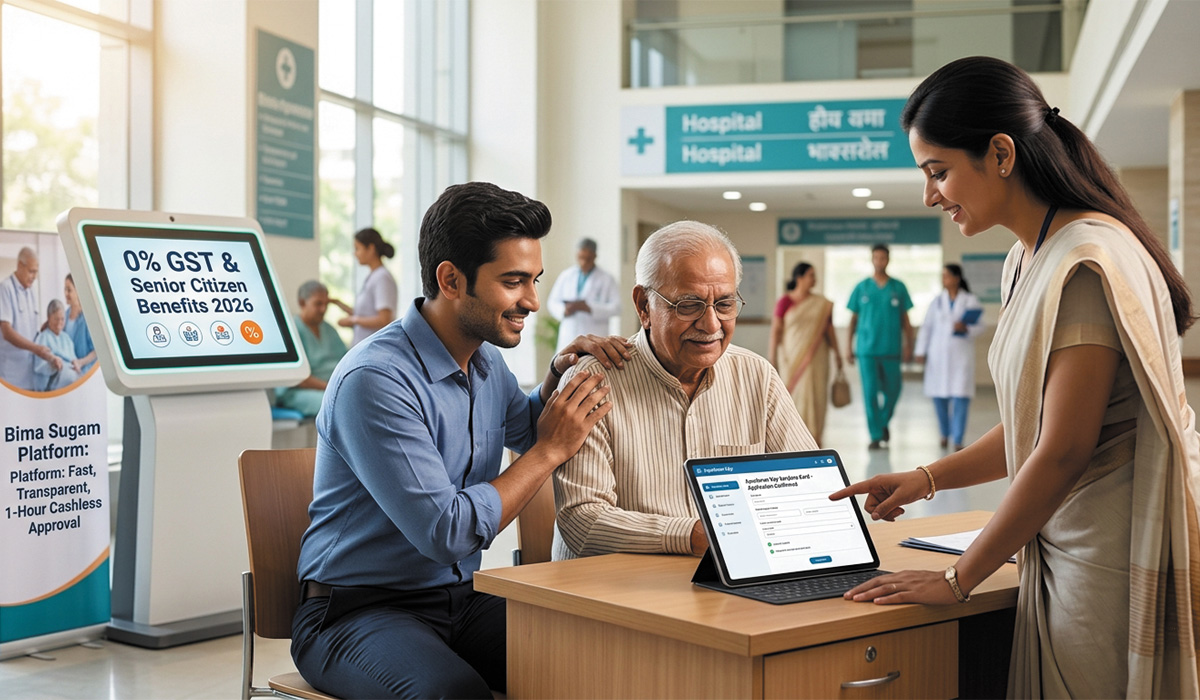
The beginning of 2026 has brought a massive shift in how Indian families look at their medical safety nets, and for many, the news is a relief they have been waiting years to hear. The biggest change is finally hitting the ground for our seniors. Every Indian citizen aged 70 and above is now officially eligible for the ₹5 lakh annual health cover under the expanded Ayushman Bharat scheme, regardless of their family income. If you have elderly parents at home, they can now get their own "Ayushman Vay Vandana" card, which acts as a dedicated fund for their surgeries and hospital stays. The best part is that this doesn't eat into the existing insurance limit of the rest of the family. It is a standalone shield that recognizes that our elders deserve dignity in healthcare without being a financial burden on the younger generation.
However, while the government is widening the net, the private insurance market is dealing with a bit of a price hike. Medical inflation in India has touched nearly 14% this year, mostly because high-tech robotic surgeries and specialized cancer treatments are becoming the new standard. This has pushed private companies to raise their premiums by about 12% to 15%. But there is a silver lining that is actually helping people save money on their monthly or yearly payments. The long-debated GST on health insurance has been slashed, and for many individual and senior citizen policies, the tax is now near zero. This move by the GST Council has effectively cancelled out the premium hikes for most middle-class families, making it the perfect time to review your policy and see if you are paying more than you should be.

The most practical update for anyone who has ever felt the "discharge day dread" is the new IRDAI mandate on speed. If you are going for a cashless treatment, insurance companies now only have one hour to give you the green light once the hospital sends the papers. Even better, when it is time to go home, they have a strict three-hour window to finalize the bill and let you leave. This is part of a larger "Customer First" movement that also reduced the waiting period for pre-existing diseases. You no longer have to wait four years for your old ailments to be covered; the new limit is capped at three years, and once you have held a policy for five years, the company can no longer dispute your claims based on old medical history.

Looking toward the end of the year, the buzzword everyone should know is "Bima Sugam." Think of it as the UPI for insurance. It is a new digital platform where you can buy, renew, and claim your insurance all in one place without needing twenty different apps or a mountain of paperwork. Because it cuts out the middlemen, the plans listed there are often slightly cheaper than what you find elsewhere. With these 2026 updates, the focus has clearly moved from just "selling a policy" to making sure that when a medical emergency actually hits, the money is there, the process is fast, and the family is protected.





Comments (0)
No comments yet. Be the first to comment!
Leave a Comment