

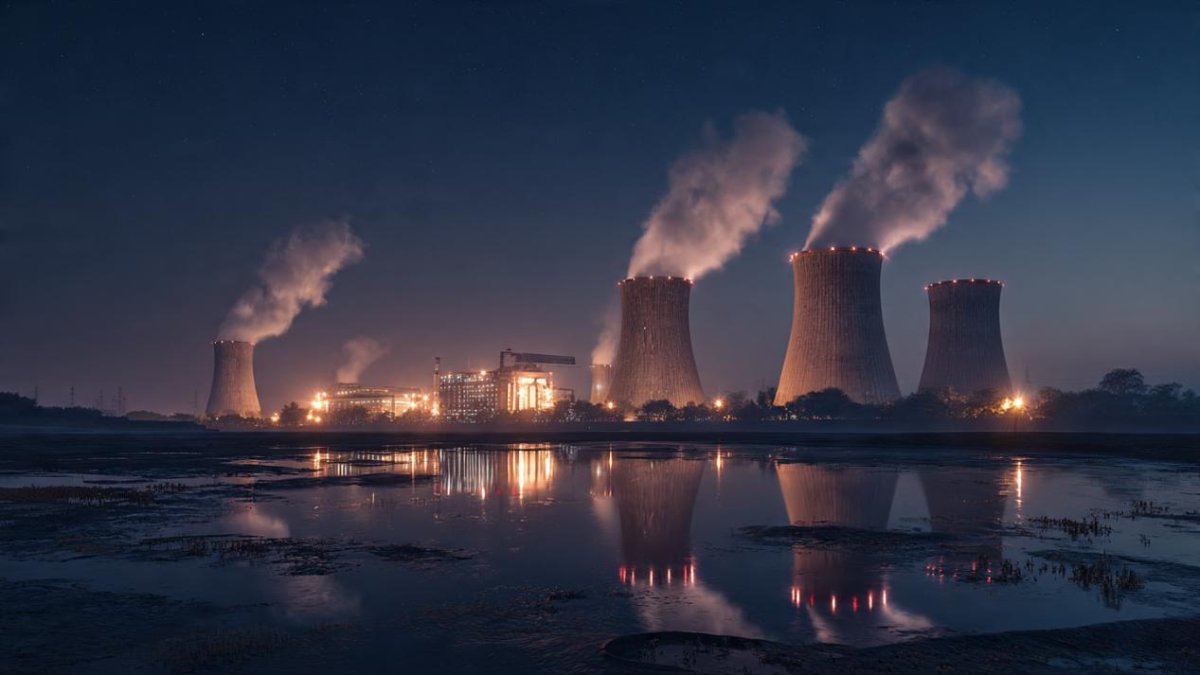
India’s atomic energy ambitions, once considered a long-term scientific vision, are now steadily transforming into a tangible reality as the country accelerates progress in advanced nuclear technologies. At the center of this transformation lies India’s unique three-stage nuclear power programme, originally conceptualized by Dr. Homi Jehangir Bhabha, which strategically focuses on utilizing the country’s abundant thorium reserves. Unlike uranium, which is limited in India, thorium is available in large quantities, particularly along the coastal regions. This resource advantage has driven India to invest heavily in developing technologies that can unlock thorium’s full potential, positioning the nation for long-term energy independence.

The recent advancements in the thorium fuel cycle have significantly strengthened confidence in India’s nuclear future. Thorium-based reactors are considered safer and more sustainable compared to conventional uranium reactors, as they produce less long-lived radioactive waste and reduce proliferation risks. India’s development of the Advanced Heavy Water Reactor (AHWR) is a crucial step in this direction. Designed to use thorium as a primary fuel, the AHWR represents a breakthrough in achieving a closed fuel cycle where waste is minimized and fuel efficiency is maximized. This innovation aligns with global efforts to transition toward cleaner and more reliable energy sources, especially as countries attempt to reduce their dependence on fossil fuels.

Parallel to thorium research, India has achieved a major milestone with the successful first criticality of the Prototype Fast Breeder Reactor (PFBR) at Kalpakkam in Tamil Nadu. This achievement marks a turning point in the country’s nuclear journey. Fast breeder reactors are unique because they can generate more fissile material than they consume, effectively creating additional fuel while producing energy. This capability is essential for sustaining long-term nuclear power generation, particularly in a country with limited uranium reserves. With this milestone, India has joined a very small group of nations capable of operating such advanced reactor technology, placing it alongside global leaders in nuclear innovation.
The significance of the PFBR goes beyond technological achievement; it represents the practical implementation of India’s three-stage nuclear strategy. In the first stage, natural uranium is used in pressurized heavy water reactors. The second stage involves fast breeder reactors like the PFBR, which produce plutonium that can be used as fuel. The third stage, which India is now actively working toward, focuses on thorium-based reactors that will ensure a virtually inexhaustible energy supply. This integrated approach allows India to gradually transition from uranium dependence to thorium utilization, securing energy for centuries.
Experts believe that these developments could fundamentally reshape India’s energy landscape. With rising electricity demand driven by rapid industrialization, urbanization, and digital growth, the need for a stable and scalable power source has become critical. Renewable energy sources such as solar and wind, while essential, are intermittent by nature. Nuclear energy, on the other hand, provides a consistent and reliable base load power supply, making it a vital component of a balanced energy mix. The integration of advanced nuclear systems like fast breeder reactors and thorium-based reactors ensures not only sustainability but also resilience in energy production.
Moreover, India’s progress in nuclear technology carries significant geopolitical implications. By mastering advanced reactor systems and fuel cycles, the country reduces its dependence on imported energy resources and strengthens its strategic autonomy. It also opens opportunities for international collaboration and technology export, particularly to developing nations seeking clean energy solutions. As global interest in next-generation nuclear technologies grows, India’s expertise in thorium utilization and breeder reactors could position it as a key player in shaping the future of nuclear energy worldwide.
Environmental considerations further enhance the importance of this progress. Nuclear power produces minimal greenhouse gas emissions compared to coal and other fossil fuels, making it an effective tool in combating climate change. India, which is one of the world’s largest energy consumers, faces the dual challenge of meeting growing demand while reducing carbon emissions. Advanced nuclear technologies provide a pathway to achieve both goals simultaneously, supporting sustainable development without compromising economic growth.
Despite these promising developments, challenges remain. Nuclear energy projects require significant investment, long development timelines, and strict safety regulations. Public perception and concerns about safety also need to be addressed through transparent communication and robust regulatory frameworks. However, India’s consistent progress in indigenous technology development and its commitment to safety standards indicate a strong foundation for overcoming these challenges.
In conclusion, India’s atomic energy programme is entering a decisive phase where decades of research and planning are beginning to deliver real-world results. The successful advancement of the thorium fuel cycle and the operational milestone of the PFBR at Kalpakkam highlight the country’s capability to innovate and lead in complex scientific domains. As these technologies mature and scale, they have the potential to provide clean, reliable, and virtually limitless energy for generations. This transformation not only secures India’s energy future but also establishes it as a global leader in next-generation nuclear power, fulfilling a vision that was laid down many decades ago and is now closer than ever to full realization.




Comments (0)
No comments yet. Be the first to comment!
Leave a Comment